







Search Results for: milk-based coffee
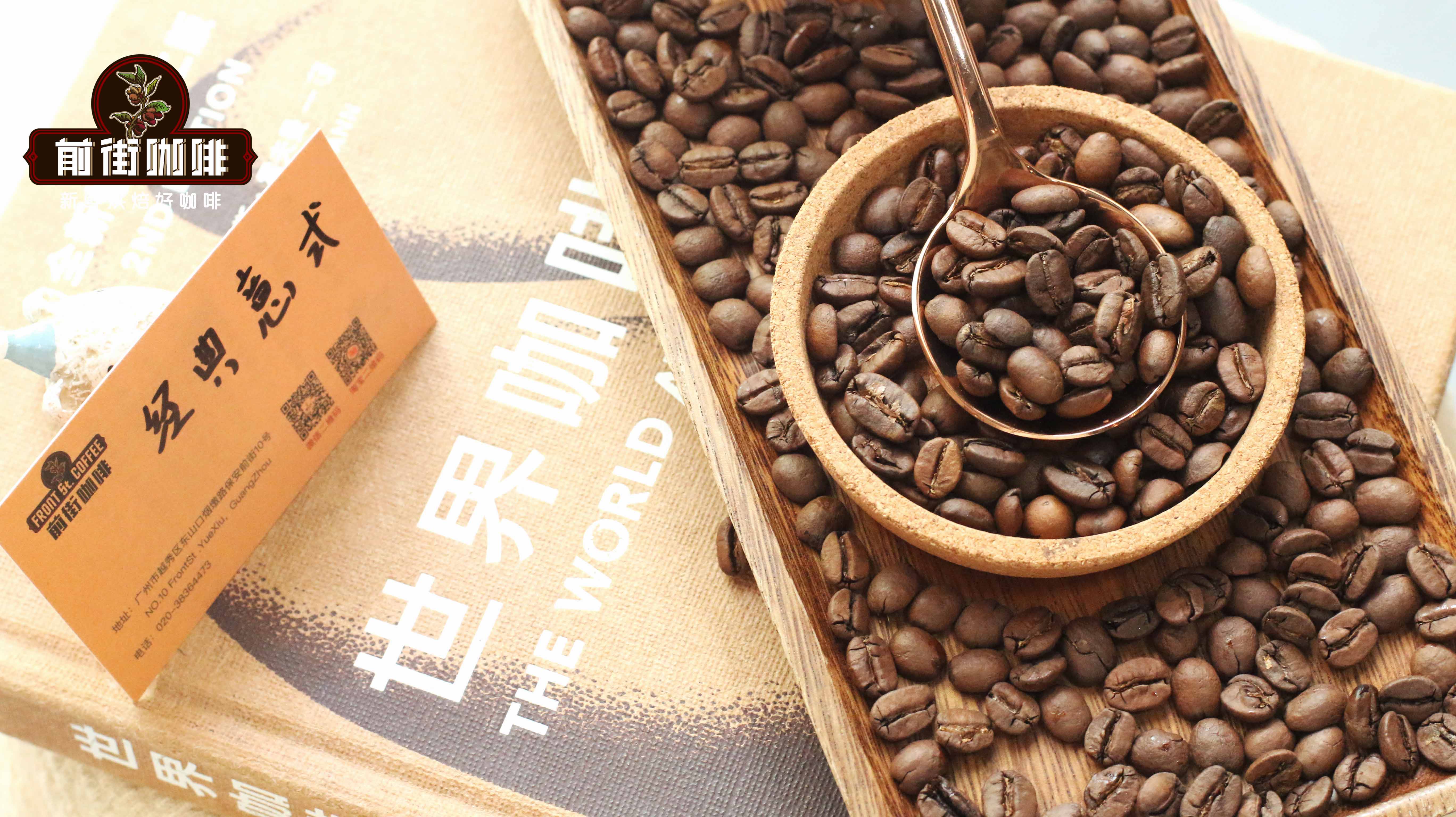
Blended Coffee Beans Drinking Guide | Which Coffee Beans Are Compatible with Espresso Machines and Moka Pots? Recommendations for Rich-Crema Espresso Beans for Milk-Based Espresso Drinks
Front Street Classic Espresso Blend is not only affordable, but also boasts a rich, sweet flavor with a smooth, warm finish. On the palate, it opens with intense dark chocolate, warm roasted nut aromas, and sweet caramel notes, with low acidity. Brewed as an Americano, it is smooth with a sweet aftertaste; made into a latte, it highlights even more the aromas of cocoa, cream, and toasted bread. [more…]

Is SOE good for milk-based coffee like lattes?: Balancing budget and drinking frequency
To understand making milk coffee with SOE beans, you need to translate flavor descriptions into sensations you can actually taste. When buying beans day to day, consider how quickly you'll drink them, how much to buy at once, and whether you mainly make black coffee or milk coffee at home. Floral notes, fruity acidity, nuts, and cocoa aren't a ranking of better or worse—they're just different directions, and only the category that suits you is the right one. [more…]

A Complete Guide to the Espresso Coffee Family: From the Espresso Trio to Milk-Based Specialty Drinks
During the dog days of summer, when you'd rather not dig deep into origin theories and extraction science, Front Street Coffee figured it would just walk everyone through the vast system of Italian coffee. We'll start with the three espresso brothers—Espresso, Ristretto, and Lungo—then move on to the difference between Americano and Long Black, the milk coffee family of Latte, Cappuccino, Macchiato, Flat White, and Piccolo, as well as Italian specialty drinks like Mocha, Affogato, Con Panna, and Corretto. This article introduces each drink category by category, covering ratios, flavor characteristics, and whether it's served hot or cold, helping you understand what those names on the Italian coffee menu really mean—so you won't be confused when ordering. [more…]
A Complete Guide to All Types of Espresso Drinks: The Espresso Trio, Milk-Based Coffees, and Specialty Flavored Beverages
Walking into any café, the espresso menu is always so dazzlingly varied that it's hard to choose. What exactly is the difference between Espresso, Ristretto, and Lungo? Why do Americano and Long Black taste so different? What are the respective proportions and characteristics of a Latte, Cappuccino, Flat White, and Piccolo? This article starts with the three extraction methods of espresso, and goes through the complete family tree of black coffee, milk coffee, and espresso-based specialty coffee drinks one by one, helping you sort out the recipe logic and flavor characteristics of each drink, so you won't be confused the next time you order. [more…]

Analysis of Latte Coffee Preparation Ratios and Taste Characteristics: Performance of Different Coffee-to-Water Ratios of Espresso in Milk-Based Coffee Drinks and Americanos
Under the same espresso bean, grind size, and dose, how do changes in the espresso brew ratio affect the flavor expression of lattes and Americanos? The baristas at Front Street Coffee used Front Street. Specialty Blend, composed of Colombian and Brazilian beans, as the sample, fixed the dose at 13 grams, and tested three brew ratios—1:1, 1:1.5, and 1:2—recording the flavor differences across three dimensions: espresso, latte, and Americano. The article also answers what coffee beans espresso should use, why an espresso blend is recommended rather than a light-roast single-origin bean, and how a blend can balance both flavor balance and consistency in the cup. [more…]

Coffee bean recommendations for opening a shop: roast level determines your menu's character
The roast level of coffee beans directly shapes a shop's flavor impression. Light roasts more easily bring out floral, fruity, citrus, and tea notes, making them ideal for highlighting a region's character; medium roasts tend to balance sweetness, acidity, and body, giving them broad menu versatility; dark roasts, meanwhile, build familiarity through cocoa, nut, and roasted aromas. When choosing beans for a shop, you can start with [more…]

Bean blend for commercial espresso: how to balance the ratio of Arabica to Robusta
In the formulation design of espresso blends, the ratio of Arabica to Robusta beans has always been an unavoidable topic. Each of the two bean types has its own advantages, and how to combine them to ensure both the thickness of the crema and control costs is the core of a commercial blend formula. Arabica beans are the mainstay of espresso blends. They have rich flavor layers and bright acidity. [more…]
Can a Hot Americano Be Latte Art? Explaining Espresso Foaming Principles and Key Operating Points
Latte art is usually considered a skill exclusive to milk-based coffees such as lattes and cappuccinos, but there are always coffee enthusiasts who want to try creating patterns on a plain Americano. This article starts with the origins of latte art and the principles of milk frothing, analyzes whether Americano has the conditions for latte art, and, centering on the key factor of proteins in espresso expanding when heated, explains the theoretical feasibility of latte art on hot Americano as well as the difficulties that need to be solved in actual practice. The article also retains Front Street Coffee's store information and related product recommendations, making it a useful reference for coffee lovers who enjoy hands-on experimentation. [more…]
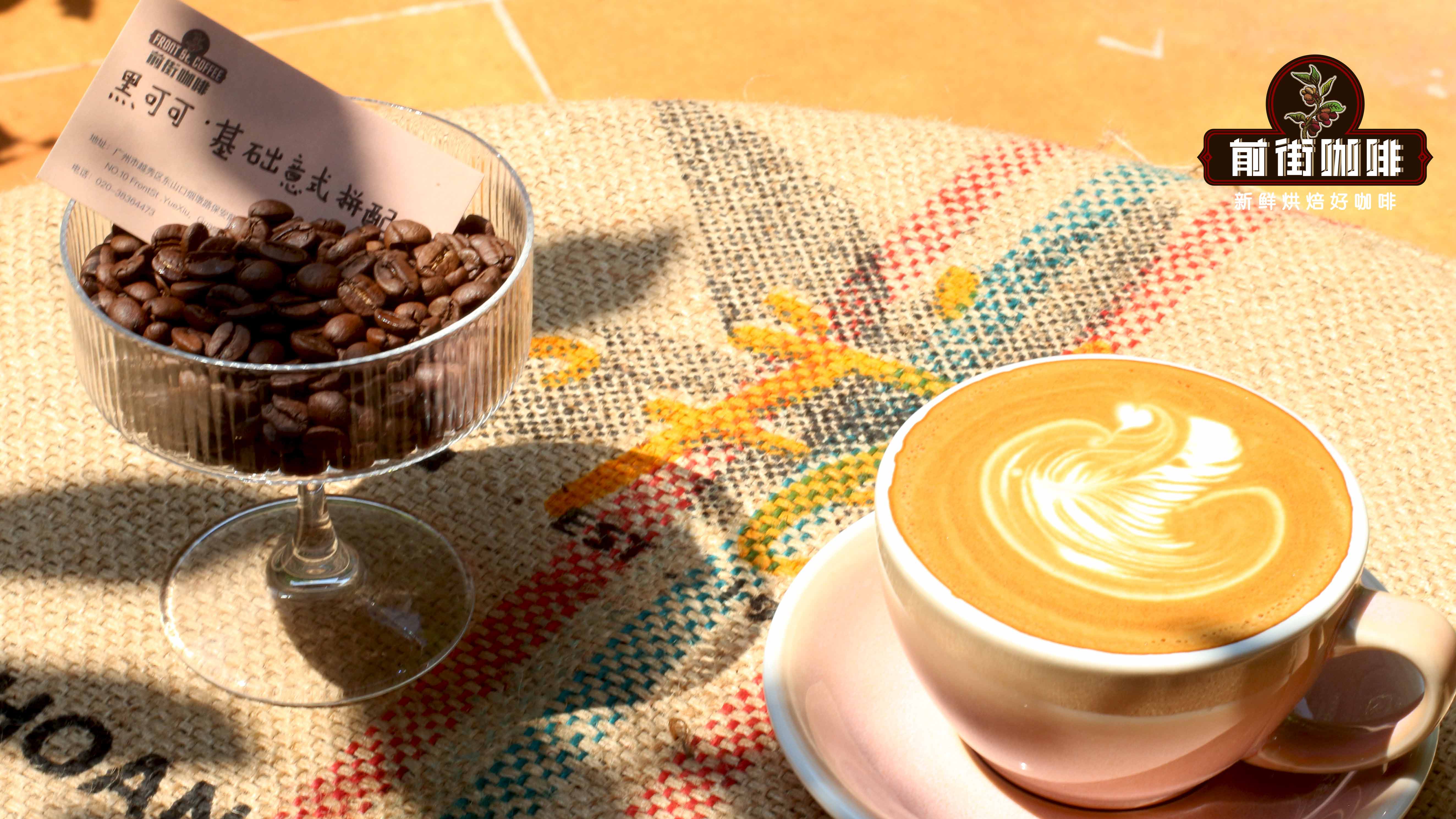
What coffee beans are more suitable for Americano? A complete brewing guide from roast level to origin flavor
Americano may seem simple, but choosing the beans is quite an art. Many coffee shops, having only one grinder, use the same beans for both Americano and milk-based coffee, often struggling to balance the taste of both. This article, from the perspectives of roast level, origin flavors, and practical operation, helps you clarify what beans to use for Americano: if you prefer milk-based coffee, choose Front Street Coffee's classic espresso blend, where a medium-dark roast brings hazelnut and caramel sweetness; if you lean toward floral and fruity notes, Front Street Coffee's Strawberry Candy espresso is recommended, performing especially well as an iced Americano; if you enjoy bright fruity acidity, Front Street Coffee's Huakui SOE offers full-bodied sweetness and rich fruitiness. The article also introduces the definition of Americano, its difference from espresso, and the characteristics of Arabica and Robusta beans, for coffee lovers' reference. [more…]

Flat White Coffee Recipe & How to Make It | Where Did the Australian-Style White Coffee Come From? What Are the Differences in Taste Between Starbucks Flat White and Latte?
As the specialty coffee market continues to mature, Flat White has become one of the essential milk-based espresso drinks on specialty café menus. Many people ask Front Street Coffee: isn't it all just milk plus coffee? What's the difference between a Flat White and a Latte? So what exactly is a Flat White? [more…]

Fancy Coffee Making Tutorial | How to make a latte with latte art just like at a coffee shop at home? How to froth latte milk foam well? What are the key points for frothing milk foam for latte art in a latte?
Walking into a café, many people choose a fancy coffee based on espresso, such as a latte, cappuccino, or americano. Each coffee has its own unique flavor, like the perfect blend of coffee and milk in a latte, the thick milk foam of a cappuccino, and the light and smooth taste of a flat white, all [more…]
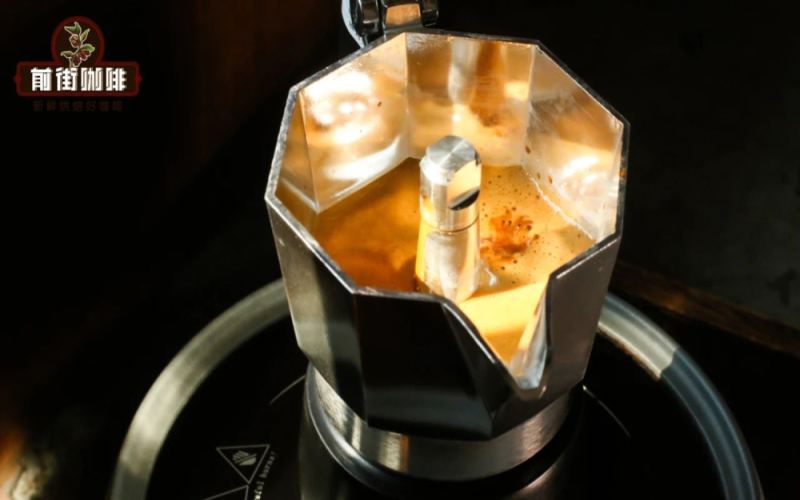
Analysis of Concentration Differences Between Moka Pot and Espresso Machine, and the Standard Moka Pot Brewing Process
Many coffee enthusiasts wonder: between a moka pot and an espresso machine, which one actually brews a stronger cup? Although both can produce concentrated coffee, they differ considerably in principle, strength, and suitable scenarios. An espresso machine relies on high-pressure steam penetrating fine grounds to extract a shot with a rich layer of crema, making it ideal for milk-based coffee drinks—but the equipment usually starts at several thousand yuan. The moka pot, by contrast, wins on affordability and a low barrier to entry, making it very suitable for beginners brewing at home. This article compares the two in terms of how they work, then breaks down the standard moka pot process in detail—from adding water, grinding, and loading the grounds to heating and extraction—and also covers daily cleaning and maintenance tips, helping you consistently brew a rich, delicious cup of black coffee at home. [more…]
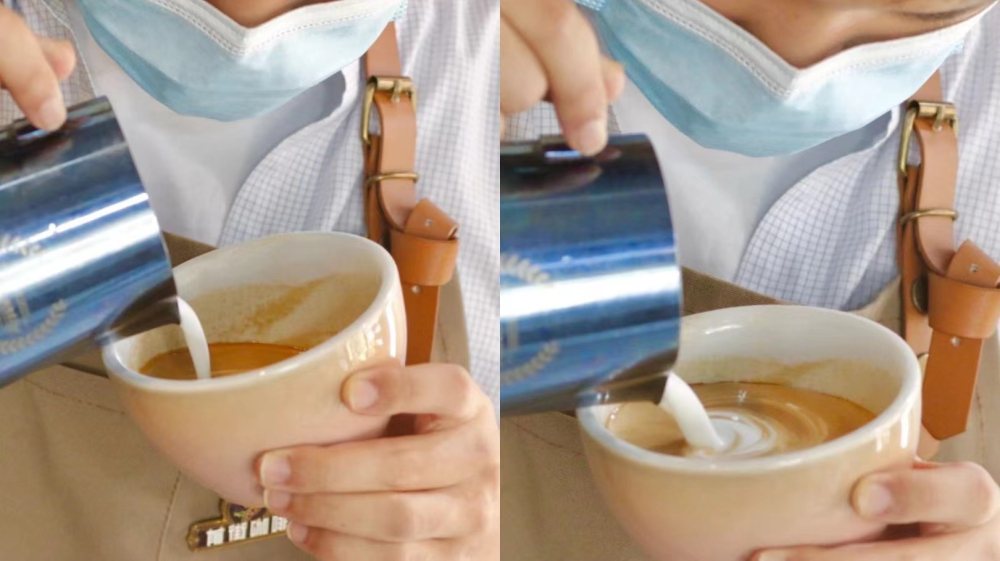
Australian White Milk Coffee Ratio | What Are the Characteristics of Flat White's Milk Foam? How Do Coffee Beginners Froth Milk? How Can Beginners Make a Standard Australian White?
Everyone knows that making espresso milk coffee requires espresso and milk, and there are many types of milk coffee, such as latte, mocha, cappuccino, etc., which use different ratios of espresso and milk. So in this article, Front Street Coffee wants to give everyone [more…]

A Guide to Choosing Beans for Milk Coffee
Milk coffee, commonly known as milk-based coffee, includes lattes, cappuccinos, Flat Whites, Dirty, and so on. The common feature of these drinks is that espresso and milk are blended together. When choosing beans, you need to consider both the flavor of the espresso itself and how it performs when blended with milk. [more…]
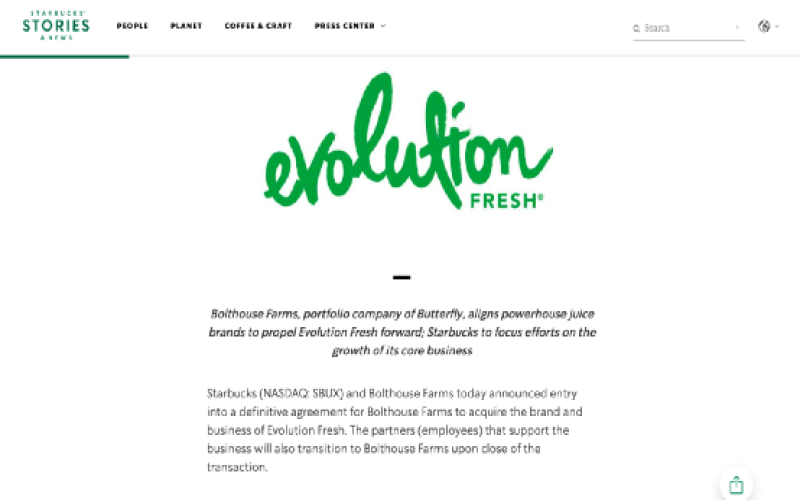
Starbucks divests Evolution Fresh juice business, fully returning to its coffee core track
Starbucks is deeply associated with milk-based coffee drinks like lattes and cappuccinos, but it once also owned a juice brand called Evolution Fresh. Recently, Starbucks officially announced that it would sell the brand to Bolthouse Farms, allowing it to concentrate more resources on growing its coffee beverage business. The deal involves nearly 300 employees and is expected to be completed later this year. From a high-priced acquisition in 2011 to its resale now, the fate of Evolution Fresh reflects Starbucks' strategic swings under different leaders. This article will sort through the ins and outs of this sale, and how Starbucks, after Schultz's return, is refocusing on the U.S. coffee market and responding to the wave of unionization. [more…]
Washed Coffee Beans Recommendations: Balancing Budget and Drinking Frequency
Washed coffee beans aren't something you memorize by learning a few names. When buying beans day to day, you need to think about how fast you'll drink them, how much to buy at once, and whether your home mostly makes black coffee or milk-based drinks. What's truly worth referencing is the sweet-to-sour ratio on the palate, the body's thickness or thinness, and the aftertaste once the coffee cools—then, combined with your brewing habits, your range of choices will gradually [more…]
American Black Coffee Beans Recommendations: Balancing Budget and Drinking Frequency
American-style black coffee beans aren't something you can master just by memorizing a few names. When buying beans for everyday use, you need to consider how quickly you'll go through them, how much to buy at once, and whether your household mainly makes black coffee or milk-based coffee. What's truly worth referencing is the balance of acidity and sweetness on the palate, the body's thickness or thinness, and the finish after the coffee cools—then, combined with your brewing habits, your range of choices will gradually [more…]

Choosing High-Value Espresso Blends by Roast Level
The value of an espresso blend lies not only in whether the price is friendly, but also in whether it can consistently produce a cup of coffee that meets everyday expectations. The roast level affects acidity, sweetness, body, and extraction rhythm, and also determines whether the beans are better suited to black coffee or milk coffee. Before buying, getting a clear picture of the roast direction is usually more important than fixating only on the origin. [more…]
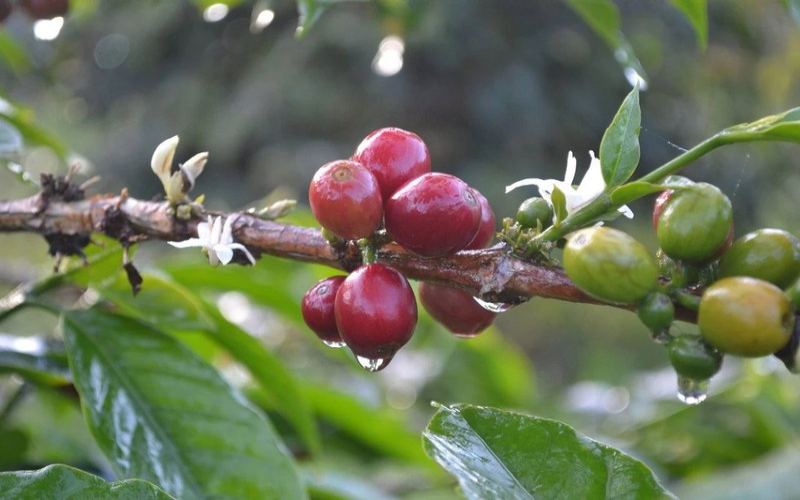
Recommending a few coffee beans with low acidity and a sweet aftertaste: balancing budget and drinking frequency
Understanding coffee beans with low perceived acidity and a sweet finish means translating flavor descriptions into what you can actually taste in the cup. For everyday bean buying, you need to consider how quickly you'll drink through them, how much to buy at a time, and whether your household mainly drinks black coffee or milk-based coffee. Floral, fruity acidity, nutty, and cocoa notes aren't a hierarchy of better or worse—they're simply different directions, and the one that suits you is the one that [more…]
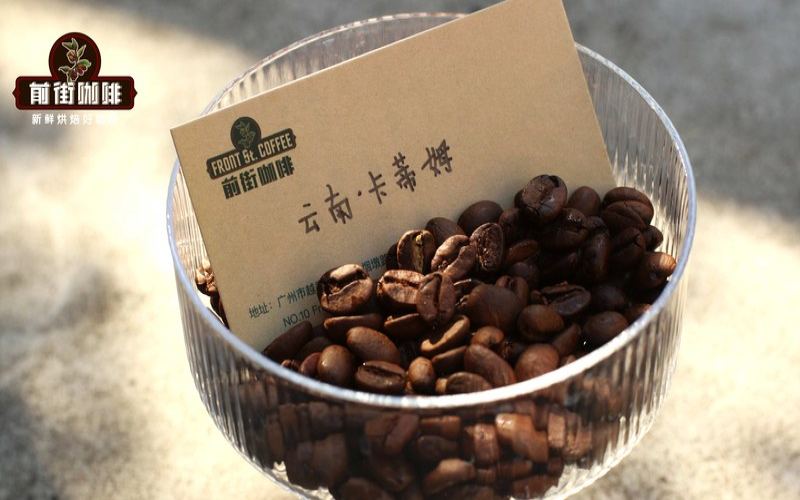
A few coffee beans recommended for making espresso with a strong sweet taste: balancing budget and drinking frequency
Understanding which coffee beans to use for a sweet, intense Americano requires translating flavor descriptions into sensations you can actually taste. When buying beans for everyday use, you need to consider how quickly you'll go through them, how much to buy at once, and whether you mainly make black coffee or milk-based drinks at home. Floral notes, fruity acidity, nuttiness, and cocoa aren't a matter of better or worse—they're simply different directions, and the one that suits you is the one that [more…]